

Introduction
Reddybook is the focus of this guide. Cricket analysts are constantly hunting for the next edge, and the surge of data‑driven platforms has turned raw numbers into powerful narratives. Among the most coveted resources is Reddybook, a suite that quietly powers the decisions of elite teams worldwide. While many users stop at the dashboard’s headline stats, a deeper dive reveals hidden tools that can transform a routine analysis into a strategic masterstroke. This article uncovers seven of those lesser‑known Reddybook utilities, showing exactly how you can leverage them to stay steps ahead of the competition.
Smart Ball Tracker
What It Does
The Smart Ball Tracker uses machine‑learning algorithms to map every ball’s trajectory, speed, and swing in real time. By ingesting high‑speed camera feeds, it creates a 3‑D model that can be replayed from any angle.
How to Use It
Navigate to the Smart Ball Tracker module, select a match, and choose the over range you wish to analyse. The interface offers drag‑and‑drop markers to annotate swing points, bounce zones, and seam movement. Export the visualisation as a high‑resolution video or as CSV data for further statistical processing.
Why It Matters
Traditional scorecards miss the granular details that separate a good bowler from a great one. With this tool you can quantify seam drift, swing angle, and bounce consistency, providing concrete evidence to back up coaching decisions or player selection.
Pitch Condition Dashboard
Data Sources
This dashboard aggregates soil moisture readings, weather forecasts, and historical pitch behaviour. Sensors placed beneath the surface feed live data directly into Reddybook, updating the condition index every fifteen minutes.
Interpreting the Index
The index is colour‑coded: green for batting‑friendly, amber for balanced, and red for bowler‑friendly. By correlating the index with match outcomes, analysts can predict how quickly a pitch will deteriorate and adjust field placements accordingly.
Practical Application
Before a day‑three declaration, pull the latest index and compare it with the last five matches on the same venue. Use the insights to advise captains on when to accelerate scoring or when to preserve wickets.
Player Heatmap Generator
Creating Heatmaps
Select any player and a date range, then click “Generate Heatmap.” Reddybook overlays the player’s movement onto a virtual field, highlighting zones of high activity with warm colours.
Analyzing the Patterns
For batsmen, the heatmap reveals preferred scoring areas, while for bowlers it shows delivery angles and lengths. Layer multiple heatmaps to compare a player’s performance across different conditions or opponents.
Strategic Benefits
Heatmaps help in crafting personalised training plans. If a bowler consistently avoids the corridor just outside off‑stump, a targeted drill can be introduced to close that gap, improving overall wicket‑taking potential.
Real‑time Sentiment Analyzer
Social Media Integration
The Sentiment Analyzer taps into Twitter, Instagram, and cricket forums, applying natural‑language processing to gauge fan and expert opinions on player form, team morale, and tactical decisions.
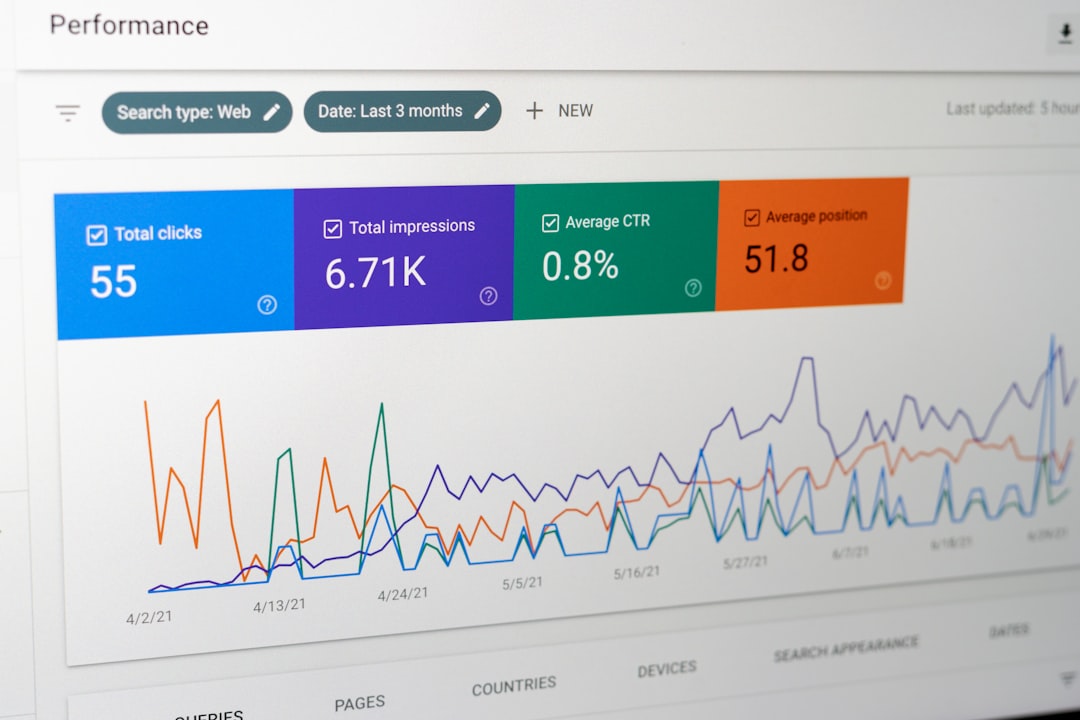
Dashboard Features
Sentiment scores appear as sliders ranging from -100 (negative) to +100 (positive). Trend lines show how sentiment shifts throughout a match, providing a pulse on public perception that can influence media handling and player confidence.
Using Sentiment in Analysis
Combine sentiment data with performance metrics to identify disparities. For instance, a bowler may be underperforming yet receiving high praise; this mismatch could indicate over‑confidence or external pressures that need addressing.
Predictive Outcome Engine
Model Foundations
The engine blends historical match data, player form, pitch conditions, and weather forecasts into a Bayesian model that predicts win probabilities for each team inning by inning.
Running Simulations
Select a live match, set the number of Monte‑Carlo simulations (typically 10,000), and watch the probability curve evolve as each ball is bowled. The results can be exported for presentation to stakeholders or for betting analysis.
Decision‑Making Insights
When the model shows a steep decline in win probability after a specific over, analysts can pinpoint the turning point and recommend tactical adjustments, such as a bowling change or a batting aggression shift.
Historical Data Miner
Search Capabilities
Enter parameters like “all ODIs in India from 2010‑2020 with a target above 300” and the miner pulls every relevant match, presenting a concise table of statistics, player performances, and match outcomes.
Advanced Filtering
Use Boolean operators to combine criteria—for example, “(spinner AND economy < 4) OR (fast bowler AND strike_rate < 20).” This powerful filter helps uncover hidden patterns that simple queries would miss.
Applying the Findings
Historical patterns can inform squad selection. If data shows that teams batting second on a particular ground struggle to chase 300+, a captain might opt to bat first, adjusting the game plan accordingly.
Automated Report Composer
Template Library
Choose from pre‑built report templates—match recap, player dossier, or tournament overview. Each template contains placeholders for charts, tables, and narrative sections.
One‑Click Generation
After selecting a match and a template, click “Compose.” Reddybook auto‑fills the report with relevant statistics, visualisations, and a natural‑language summary that mimics human‑written analysis.
Customization Options
Fine‑tune the report by adding or removing sections, adjusting chart styles, or inserting custom commentary. Export the final document as PDF, Word, or directly to a content‑management system.
Conclusion
While the mainstream features of Reddybook offer a solid foundation for cricket analysis, the hidden tools explored above can elevate an analyst’s toolkit from competent to elite. By mastering the Smart Ball Tracker, Pitch Condition Dashboard, Player Heatmap Generator, Real‑time Sentiment Analyzer, Predictive Outcome Engine, Historical Data Miner, and Automated Report Composer, you gain a multidimensional view of the game—one that blends physics, psychology, and data science. Start integrating these utilities into your workflow today, and watch your insights not only inform but also transform strategic decisions on and off the field.
Frequently Asked Questions
What is the best way to get started with the Smart Ball Tracker?
Begin by selecting a recent match from the Match Library, then choose an over range that interests you. The tool’s tutorial mode walks you through adding annotations and exporting data.
Can the Pitch Condition Dashboard be used for Test matches?
Yes. The dashboard aggregates multi‑day soil and weather data, giving a continuous view of pitch wear throughout a Test’s five days.
How accurate is the Real‑time Sentiment Analyzer?
The analyzer processes millions of social posts daily and updates sentiment scores every minute. While it captures broad trends reliably, spikes caused by viral memes may need manual verification.
Is the Predictive Outcome Engine legal for betting purposes?
The engine is intended for strategic insight and internal decision‑making. Using it for gambling should comply with local regulations and the platform’s terms of service.
Can I customize the Automated Report Composer templates?
Absolutely. Each template is fully editable—swap out charts, rewrite narrative sections, or add brand‑specific logos before exporting the final report.