
Introduction
Reddybook is the focus of this guide. Cricket analysts have long wrestled with the sheer volume of data generated during a match, from ball‑by‑ball outcomes to player movement and fatigue metrics. In this data‑heavy environment, the ability to distill actionable insights quickly can be the difference between a winning strategy and a missed opportunity. Reddybook answers this challenge head‑on with its newly launched AI‑driven Player Stats Dashboard, a tool purpose‑built for analysts seeking depth, speed, and clarity in their evaluations. Within the first 100 words of this article, the name Reddybook appears as a promise of innovation that reshapes how cricket performance is measured, visualized, and acted upon.
Why Cricket Analytics Needs a Next‑Generation Dashboard
Traditional Data Bottlenecks
Historically, cricket data has been collected in spreadsheets and static reports. While useful for post‑match reviews, these methods suffer from latency, limited interactivity, and a lack of predictive power. Analysts often spend hours cleaning raw feeds before they can even begin to look for patterns, leaving precious time for strategic preparation unused.
Modern Match Pace and Real‑Time Decision Making
The rise of T20 and franchise leagues has accelerated the pace of the game, demanding that analysts provide insights in near real time. Coaches now expect dashboards that can highlight a bowler’s line‑length drift, a batsman’s scoring zones, or a fielder’s fielding efficiency as the innings unfolds. Without AI‑assisted automation, meeting these expectations is nearly impossible.
Integrating Diverse Data Sources
From ball‑tracking cameras to wearable sensors, modern cricket generates multiple data streams. A robust dashboard must be able to ingest, normalize, and correlate these disparate sources. This integration is at the core of Reddybook’s solution, ensuring that analysts receive a unified view rather than fragmented snapshots.
Key Features of the Reddybook Player Stats Dashboard
AI‑Powered Performance Index
The heart of the dashboard is an AI‑driven performance index that evaluates each player across batting, bowling, and fielding metrics. By using machine‑learning models trained on thousands of historic matches, the index adjusts for opposition strength, pitch conditions, and match context, delivering a nuanced score that goes beyond simple averages.
Dynamic Visualizations
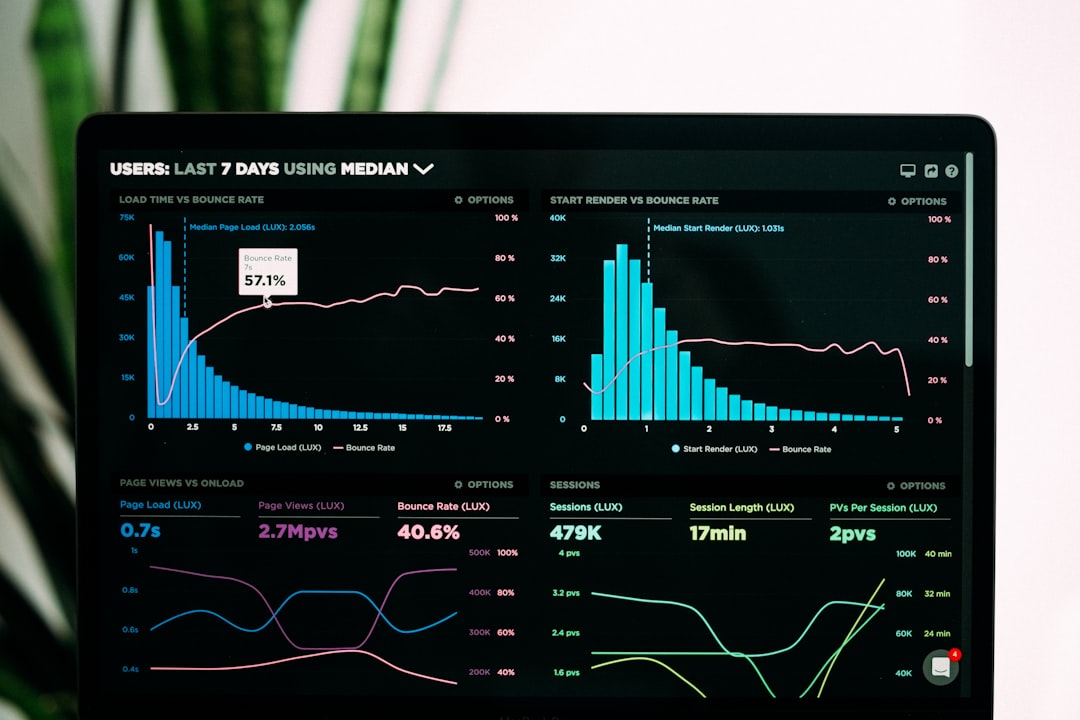
- Heatmaps: Instant heatmaps show where a batsman scores most frequently, highlighting preferred zones and blind spots.
- Shot Charts: Detailed shot charts track every stroke, offering insights into placement, risk, and success rates.
- Bowling Trajectory Graphs: Visual trajectories reveal a bowler’s consistency in length and line over multiple overs.
Predictive Scenario Modeling
Analysts can simulate “what‑if” scenarios by adjusting variables such as player fatigue, weather, or pitch wear. The AI engine predicts potential outcomes, helping teams decide whether to rotate bowlers, promote a batsman up the order, or adjust field placements.
Customizable Alerts and Notifications
Real‑time alerts notify analysts when a player’s performance deviates sharply from the norm. For example, if a fast bowler’s waist‑high delivery count spikes, the system flags a possible loss of line, prompting immediate tactical review.
Collaboration Suite
Built‑in collaboration tools allow analysts to share insights with coaches, captains, and support staff within the platform. Comments, annotations, and exportable PDFs ensure that findings are communicated clearly and efficiently.
Technical Architecture Behind the Dashboard
Data Ingestion Layer
Reddybook leverages a high‑throughput ingestion pipeline powered by Apache Kafka, capable of processing millions of events per second. This layer pulls data from ball‑tracking cameras, RFID tags, wearable sensors, and third‑party APIs, buffering it for downstream processing.
Machine‑Learning Engine
The AI models are hosted on a scalable Kubernetes cluster, using TensorFlow and PyTorch frameworks. Continuous model training incorporates fresh match data, ensuring the performance index stays current with emerging playing styles and strategies.
Visualization Stack
Front‑end visualizations are rendered with D3.js and React, delivering smooth, interactive charts that adapt to device screen sizes. The stack supports WebGL for high‑resolution heatmaps, allowing analysts to zoom into granular data points without latency.
Security and Compliance
All data is encrypted at rest and in transit, complying with GDPR and local data protection regulations. Role‑based access controls (RBAC) ensure that only authorized personnel can view or modify sensitive performance data.
Practical Use Cases for Analysts
Pre‑Match Opponent Scouting
Analysts can generate opponent player profiles, comparing their AI‑driven scores against historical benchmarks. This assists coaching staff in formulating targeted game plans, such as identifying a bowler’s weak zones or a batsman’s susceptibility to certain deliveries.
In‑Match Tactical Adjustments
During live matches, the dashboard highlights real‑time trends, such as a decline in a spinner’s spin rate or a batsman’s increasing dot‑ball percentage. Teams can respond instantly, tweaking field placements or rotating bowlers to maintain pressure.
Post‑Match Performance Review
After the final ball, the dashboard aggregates a comprehensive performance report that integrates statistical summaries, visual aids, and AI‑generated insights. This report becomes a cornerstone of post‑match debriefs, enabling teams to learn from successes and shortcomings.
Player Development and Talent Identification
By tracking longitudinal data across seasons, the system uncovers hidden talents and developmental trajectories. Scouts can use these insights to spot emerging players who exhibit high AI‑driven potential, even if traditional stats lag behind.
Future Roadmap and Enhancements
Enhanced Natural Language Summaries
Upcoming releases will feature AI‑generated narrative summaries that translate complex data into concise, human‑readable reports, reducing the time analysts spend on manual write‑ups.
Integration with Broadcasting Platforms
Reddybook plans to embed its visualizations directly into live broadcast graphics, delivering viewers richer statistical context during matches.
Expanded Sensor Compatibility
Future updates will support emerging sensor technologies, such as biomechanical wearables that monitor muscle fatigue and injury risk, further enriching the analytical model.
Conclusion
The launch of the AI‑driven Player Stats Dashboard marks a pivotal moment for cricket analytics. By unifying disparate data streams, delivering real‑time insights, and empowering analysts with predictive tools, Reddybook sets a new standard for performance intelligence on the field. Teams that adopt this technology will gain a strategic edge, turning raw data into decisive action faster than ever before. To stay ahead of the competition, explore the capabilities of the Reddybook dashboard today and experience the next level of cricket analysis.
Frequently Asked Questions
What is the main advantage of Reddybook’s AI‑driven dashboard?
The primary benefit lies in its ability to process massive data sets in real time, delivering actionable insights and predictive scenarios that traditional tools cannot match.
Can the dashboard be customized for different formats, such as Test, ODI, and T20?
Yes, the system includes configurable parameters that adapt the performance index and visualizations to the specific dynamics of each cricket format.
Is any coding knowledge required to use the dashboard?
No. The user interface is designed for analysts of all skill levels, with drag‑and‑drop widgets and intuitive controls that require no programming.
How does Reddybook ensure data security?
All data is encrypted both at rest and in transit, and the platform utilizes role‑based access controls to restrict information to authorized users only.
When will the natural language summary feature be available?
The feature is slated for release in the next major update, expected to roll out in the upcoming quarter.