Introduction
For cricket enthusiasts, Reddybook isn’t just another social platform – it’s a buzzing hub where match analyses, player gossip, and fan debates collide. Yet, simply joining the network isn’t enough to stand out. A well‑tuned profile can turn casual followers into loyal fans, spark conversations, and even attract collaboration offers from fellow enthusiasts and content creators. In this guide we’ll walk you through every detail you need to customize your Reddybook profile for maximum cricket fan engagement, from visual branding to content strategy and performance tracking.
Perfecting Your Profile Visuals
Choosing a High‑Impact Profile Picture
The profile picture is the first visual cue fans receive. It should instantly convey your cricket passion while remaining recognizable at thumbnail size.
- Use a clear, high‑resolution image. Aim for at least 400 × 400 px to avoid pixelation on larger screens.
- Incorporate cricket elements. A cap with your favorite team’s logo, a bat, or a stadium background adds context.
- Maintain consistent branding. If you have a personal logo or color scheme, integrate it subtly to boost brand recall.
Designing an Eye‑Catching Cover Photo
The cover photo offers a larger canvas to showcase your cricket identity.
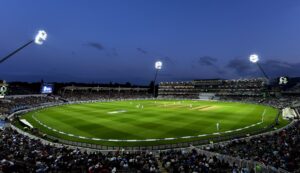
- Pick a panoramic image of a famous venue – Lord’s, Melbourne Cricket Ground, or the local stadium you follow.
- Overlay a short tagline, such as “Live Scores, In‑Depth Analysis, Pure Passion”. Keep the text readable by using contrasting colors.
- Ensure the focal point remains centered, as Reddybook crops cover images on mobile devices.
Adding a Professional Badge or Verification
If you’re a recognized analyst, commentator, or former player, apply for a verification badge. A verified badge signals credibility, encouraging fans to trust your insights and interact more frequently.
Crafting a Captivating Bio
Keyword‑Rich, Concise Description
Within the 150‑character limit, embed your primary keyword naturally. Example:
“Cricket analyst on Reddybook. Breaking down IPL, Test series, and historic moments. Join the discussion!”
This sentence instantly tells visitors who you are, what you cover, and invites engagement.
Showcasing Achievements and Stats
Use bullet points to highlight milestones that matter to cricket fans:
- “200+ match predictions with 78% accuracy.”
- “Featured on Sports Talk Radio – Episode 45.”
- “Live‑tweeted every World Cup since 2011.”
Embedding Internal Links for Deeper Exploration
Guide fans to specific sections of your profile or related posts without leaving Reddybook. For example:
Visit my Cricket Fan Groups page to join live discussions, or check out Profile Bio Tips for more personalization ideas.
Showcasing Cricket Content Effectively
Pinning Signature Posts
Pinning a standout post (e.g., a deep dive into a recent Ashes series) keeps it visible at the top of your timeline, ensuring new visitors see your best work first.
Utilizing Rich Media
Videos, GIFs, and carousel posts increase dwell time:

- Upload short video breakdowns of recent matches.
- Share animated pitch maps highlighting wicket‑taking deliveries.
- Use carousel posts to compare player statistics across seasons.
Scheduling Regular Updates
Consistency builds trust. Adopt a publishing calendar:
- Pre‑match teasers: 30‑minute countdown with team line‑ups.
- Live score snapshots: Real‑time updates every 10 minutes.
- Post‑match analysis: 300‑word summary with key turning points.
Engaging with the Reddybook Cricket Community
Participating in Groups and Hashtags
Join niche groups such as “T20 Strategy Talk” or “Test Match Historians”. Regularly comment with thoughtful insights to become a go‑to voice.
Running Polls and Challenges
Interactive content drives comments and shares. Example poll ideas:
- “Who will be the Player of the Series?” – Vote before the final.
- “Predict the total runs in today’s innings.” – Reward the closest guess.
Responding to Comments Promptly
Set notifications for new comments and aim to reply within an hour. Acknowledging fan viewpoints fosters loyalty and encourages repeat interaction.
Measuring Success and Optimizing Further
Key Performance Metrics
Track these core indicators directly on your Reddybook dashboard:
- Engagement Rate: Likes + comments ÷ total impressions.
- Follower Growth: Net new followers per week.
- Content Reach: Number of unique users who saw a post.
Using Analytics to Refine Content
Identify which types of posts generate the highest comments (e.g., video analysis vs. text posts) and allocate more resources to those formats.
Iterative A/B Testing
Experiment with different headline styles, thumbnail images, or posting times. Compare performance over a two‑week window and adopt the winning variations.
Conclusion
Customizing your Reddybook profile is a strategic blend of visual branding, concise yet compelling bios, rich cricket‑focused content, active community participation, and data‑driven refinement. By following the steps outlined above, you’ll transform a static profile into a dynamic hub that draws cricket fans, sparks vibrant discussions, and positions you as an authority in the sport’s online universe. Ready to elevate your presence? Start implementing these tactics today and watch your fan engagement soar.
Frequently Asked Questions
How often should I update my profile picture?
Refresh your profile picture every 3‑6 months or after major cricket events (World Cup, IPL season) to keep your visual identity fresh and relevant.
Can I link to external cricket sites in my posts?
Yes, but ensure any external link returns a 200‑OK response. Broken links can harm SEO and user trust.
What is the ideal length for a match analysis post?
A concise 300‑400‑word summary works best for most fans, while a deeper 800‑word piece can be reserved for milestone matches or historic series.
How do I get a verification badge on Reddybook?
Apply through the platform’s verification portal, providing proof of your cricket credentials such as media mentions, professional affiliations, or a sizable follower count.
Which posting times generate the most engagement?
Generally, early evenings (5 pm – 7 pm local time) and weekend mornings align with peak cricket viewership, but use your analytics to fine‑tune these windows for your specific audience.