
Introduction
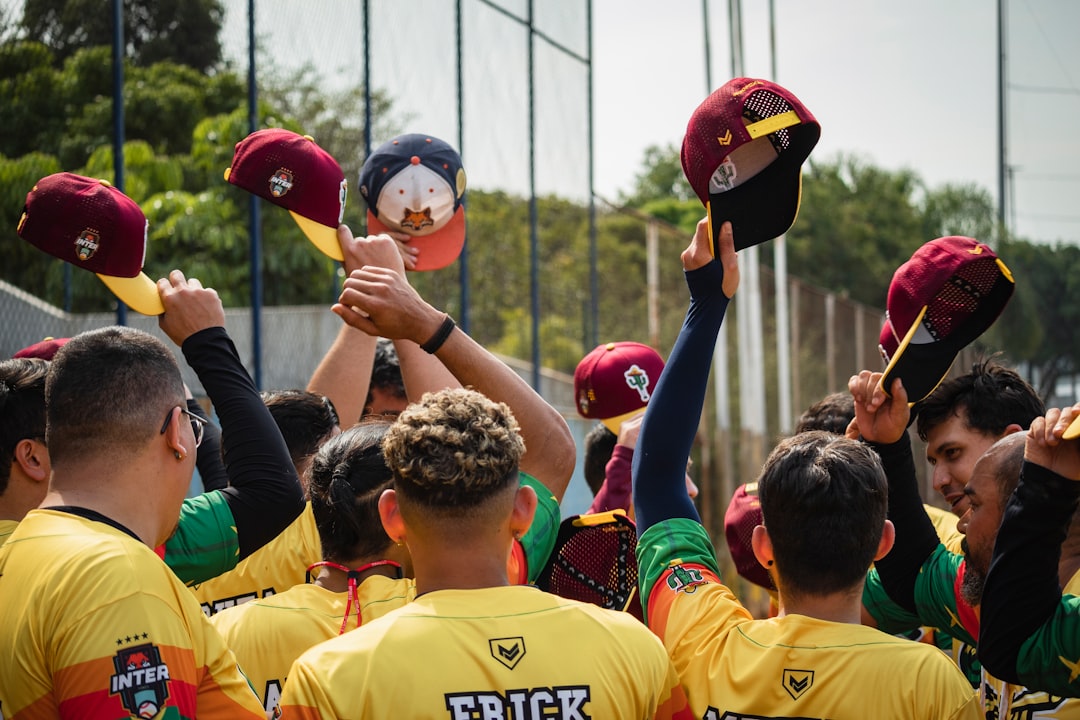
Reddybook Club is the focus of this guide. Cricket is more than a sport; it’s a shared passion that brings neighbours together and creates lifelong friendships. If you’ve noticed a growing buzz among local fans who crave a dedicated space to discuss matches, organize meet‑ups, and celebrate victories, a Reddybook Club could be the perfect solution. In this guide, we’ll walk you through every step required to launch your own club, from defining its purpose to promoting events that boost community engagement. By the end of the article, you’ll have a clear roadmap to turn a simple idea into a thriving hub for cricket enthusiasts.
Planning Your Reddybook Club
Define a Clear Mission
Start by writing a concise mission statement that reflects the core values of your club. Ask yourself: What do we want to achieve? Is it encouraging local youth participation, providing a platform for match analysis, or simply fostering a social environment for fans? A well‑crafted mission guides decision‑making, attracts like‑minded members, and sets the tone for future activities.
Identify Your Target Audience
Understanding who you’re serving is crucial. Consider age groups, skill levels, and interests. Some members might be avid statisticians, while others enjoy watching games with a cold drink and casual chatter. Tailor your events and communication style to accommodate both seasoned followers and newcomers who want to learn the basics of cricket.
Choose a Suitable Name and Branding
Pick a memorable name that incorporates the keyword Reddybook Club to reinforce brand recognition. Pair it with a simple logo and colour palette that evoke the energy of a cricket match—think greens, whites, and the deep blues of a stadium sky. Consistent branding across flyers, social posts, and merchandise builds credibility and makes the club instantly recognizable.
Setting Up the Physical and Digital Spaces
Find an Accessible Venue
Look for community halls, local schools, or even a well‑maintained backyard that can host regular gatherings. Ensure the location is reachable by public transport and offers amenities like seating, projection equipment, and basic refreshments. Booking the space in advance and signing a short‑term lease gives you flexibility as the club grows.
Create an Online Hub
While traditional clubs thrive on face‑to‑face interaction, a digital presence expands reach. Set up a dedicated page on Reddybook—this platform’s groups feature lets you share announcements, polls, and photos. Complement this with a simple website or a community forum where members can discuss match tactics, post photos, and coordinate meet‑ups after games.
Establish Membership Guidelines
Clarify how people can join, any membership fees, and the code of conduct. A straightforward sign‑up form, whether on paper at events or through an online questionnaire, speeds up onboarding. Outline expectations regarding respectful discussion, punctuality for events, and participation in club activities to maintain a welcoming atmosphere.

Launching Engaging Activities
Weekly Watch Parties
Organise regular viewings of live matches or classic re‑plays. Provide comfortable seating, a big screen, and themed snacks—think “boundary popcorn” or “wicket tea”. Encourage members to wear their favourite team’s colours and run mini‑contests such as “best commentary” or “predict the next wicket”.
Skill‑Building Workshops
Invite local coaches or experienced players to run short training sessions. Topics can range from batting fundamentals to fielding drills, or even a deep dive into cricket statistics for data‑driven fans. Offering free or low‑cost workshops adds tangible value and attracts a broader audience.
Community Outreach and Charity Events
Strengthen the club’s reputation by organising charity matches, fundraising bake sales, or school‑yard cricket clinics. Align these activities with local causes—perhaps a fundraiser for a youth sports scholarship. Such initiatives not only give back but also generate positive media coverage and attract new members.
Social Events and Competitions
Beyond the pitch, plan informal gatherings like trivia nights, potluck dinners, or “cricket bingo” evenings. Introduce friendly competitions such as a fantasy cricket league or a “most creative fan chant” contest. These events cultivate camaraderie and keep members engaged between match days.
Promoting Your Reddybook Club
Leverage Local Media
Contact community newspapers, radio stations, and local bloggers to announce the launch and upcoming events. Offer a compelling story—perhaps highlighting how the club bridges generational gaps or supports youth development. Press coverage amplifies visibility and can attract sponsors.
Utilise Social Media Strategically
Post regular updates on platforms like Instagram, Facebook, and Twitter. Use eye‑catching graphics, short video clips from recent gatherings, and member testimonials. Incorporate the primary keyword naturally in captions and hashtags, such as #ReddybookClub, to improve discoverability.
Partner with Local Businesses
Form alliances with sports shops, cafés, and gyms for cross‑promotion. Offer members discounts in exchange for displaying club flyers at the business premises. Joint events—like a “cricket and coffee” morning—benefit both parties and broaden the club’s reach.
Encourage Word‑of‑Mouth Referral
Introduce a referral program where existing members receive small perks—like free merchandise or discounted workshop fees—when they bring a friend. Personal recommendations are powerful; they create a sense of belonging and trust among prospective members.
Managing Operations and Sustaining Growth
Financial Planning and Budgeting
Maintain a transparent budget that covers venue rentals, equipment purchases, and promotional materials. If you charge membership fees, allocate a portion for club activities and retain a reserve for unexpected expenses. Regular financial reports keep members informed and foster trust.
Volunteer Coordination
Recruit volunteers to handle tasks such as event setup, social media updates, and financial tracking. Create clear role descriptions and schedule regular meetings to discuss progress. Recognise volunteers publicly—through thank‑you notes or “Volunteer of the Month” awards—to boost morale.
Feedback Loops and Continuous Improvement
After each event, gather feedback via short surveys or informal discussions. Identify what worked well and areas needing adjustment. Use this data to fine‑tune future activities, ensuring they remain relevant and enjoyable for the community.
Conclusion
Starting a Reddybook Club for local cricket fans is a rewarding venture that blends passion with purpose. By defining a clear mission, establishing both physical and digital spaces, crafting engaging activities, promoting wisely, and managing operations with transparency, you can build a vibrant community that celebrates the sport and fosters lasting connections. Take the first step today—gather a few enthusiastic supporters, reserve a venue, and schedule your inaugural watch party. The cricket community is waiting, and your club could become the heartbeat of local fandom.
Frequently Asked Questions
What is the ideal size for a new Reddybook Club?
There’s no hard limit, but starting with 20–30 active members ensures intimate interaction while providing enough participants for varied activities and robust discussion.
Do I need to pay for a Reddybook account to create a club?
No. A basic Reddybook account is free, and you can set up a group without any subscription fees. Premium features are optional and can be explored as the club grows.
How often should we hold club events?
Consistency is key. Aim for at least one major event per month—such as a watch party or workshop—plus occasional informal gatherings to keep momentum.
Can I charge membership fees?
Yes, modest fees can help cover venue costs and equipment. Be transparent about how the funds are used, and consider offering a reduced rate for students or low‑income members.
What are some low‑cost ways to promote the club?
Utilise community bulletin boards, word‑of‑mouth referrals, social media posts, and partnerships with local cafés or sports shops. Printable flyers and QR codes linking to your Reddybook group are also inexpensive yet effective tools.