
Introduction
Reddybook Login is the focus of this guide. Cricket fans around the world gather on platforms like Reddybook to discuss scores, share memes, and celebrate their favorite teams. Yet, amid the excitement, a single oversight can expose personal details to unwanted eyes. The Reddybook Login is the gateway to your digital clubhouse, and protecting that access is essential for preserving privacy, preventing identity theft, and maintaining the integrity of fan communities. In this article we explore why secure access matters, how the platform handles your data, and practical steps you can take to keep your account safe.
Why Secure Access Is Critical for Cricket Fans
Data Vulnerability in Social Platforms
Every time you log in, the platform authenticates you and then unlocks a trove of personal information—your name, email, location, and even betting preferences. If a malicious actor bypasses that barrier, they can harvest data for phishing campaigns, sell it on the dark web, or use it to impersonate you in other online spaces. The stakes are especially high for cricket fans who often discuss upcoming matches and share ticket purchase details that can be monetized.
Identity Theft and Reputation Damage
Cricket aficionados frequently use their real identities to connect with fellow supporters, creating a public persona that reflects their passion. When a Reddybook Login is compromised, attackers can post offensive comments, spread misinformation, or impersonate you during live match discussions. This not only harms your reputation but also erodes trust across the community.
How Reddybook Stores and Uses Fan Data
Personal Identification Details
Reddybook collects basic registration information—full name, phone number, and email address—to verify users and personalize their feed. The platform also records optional data such as favorite teams, player statistics, and betting activity. While this enhances the user experience, it creates a comprehensive profile that, if breached, can reveal a fan’s preferences and habits.
Interaction and Behavioral Data
Every comment, like, and share is logged to refine content recommendations. Advanced algorithms analyze these interactions to suggest groups, events, and merchandise. This behavioral data, when aggregated, paints a detailed picture of a fan’s lifestyle and spending patterns, making it a lucrative target for cyber‑criminals.
Security Measures Implemented by Reddybook
Reddybook employs industry‑standard encryption, hashing of passwords, and regular security audits. However, no system is impervious, and the human element—your password choices and login habits—remains the most vulnerable link. Understanding the platform’s safeguards helps you complement them with personal best practices.
Best Practices for a Strong Reddybook Login
Password Hygiene
Use a unique, complex password for your Reddybook Login. Combine uppercase and lowercase letters, numbers, and symbols, and avoid common words or personal information. A password manager can generate and store strong credentials, reducing the temptation to reuse passwords across sites.
Two‑Factor Authentication (2FA)
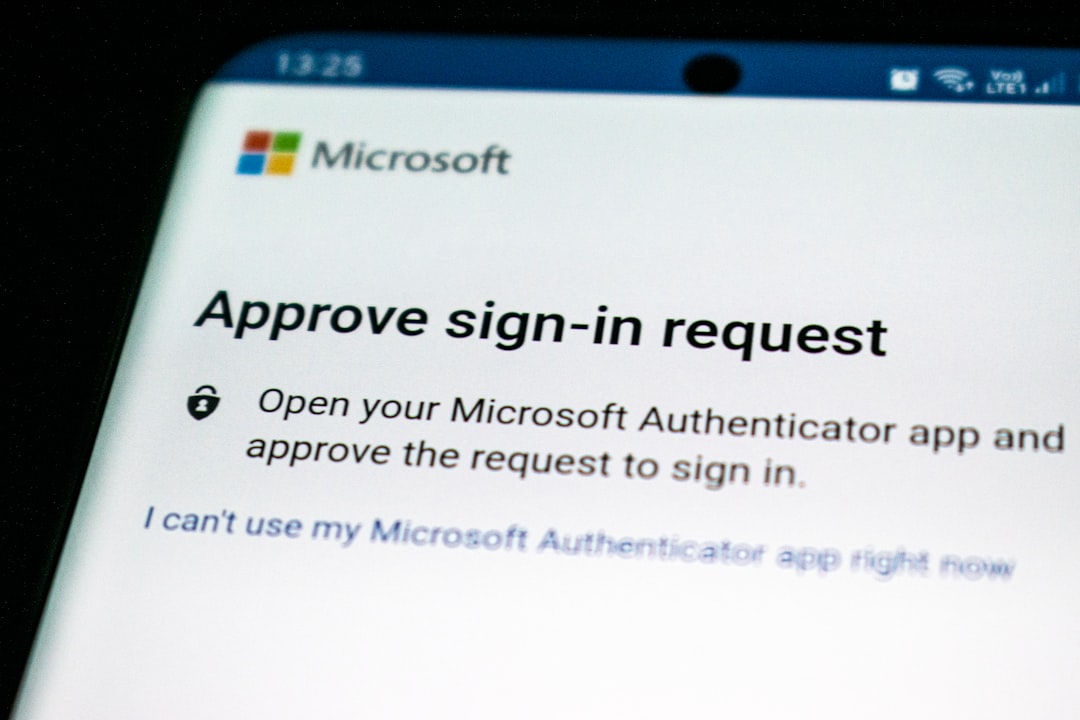
Activating 2FA adds an extra layer of protection. When you log in, you’ll receive a one‑time code via SMS, authenticator app, or email that must be entered alongside your password. Even if an attacker obtains your password, they cannot complete the login without the second factor.
Device and Session Management
Regularly review the devices logged into your account. Reddybook provides a session overview where you can terminate suspicious sessions instantly. Additionally, enable automatic logout after a period of inactivity, especially on shared or public computers.
Secure Network Usage
Avoid logging in on unsecured Wi‑Fi networks, as they can be intercepted by attackers. If you must use public Wi‑Fi, connect through a reputable VPN service to encrypt your traffic. This simple habit protects your Reddybook Login credentials from eavesdropping.
Stay Informed with Trusted Resources
Follow reliable security guides, such as those from NIST, to keep up with emerging threats and recommended defenses. Understanding the evolving landscape empowers you to adjust your security posture proactively.
What To Do If Your Reddybook Account Is Compromised
Immediate Account Recovery Steps
If you suspect unauthorized access, change your password immediately from a secure device. Then, enable 2FA if it isn’t already active. Review the account’s recent activity page to identify unknown IP addresses or devices, and log them out.
Reporting the Incident
Contact Reddybook’s support team through the official Help Center, providing details of the breach, timestamps, and any suspicious messages you received. Prompt reporting helps the platform investigate, mitigate further damage, and possibly notify affected users.
Monitoring for Identity Theft
After a breach, monitor your email, bank statements, and credit reports for unusual activity. Use credit monitoring services if you shared financial information on the platform. Early detection of fraudulent activity can prevent larger losses.
Learning and Adjusting
Review what led to the compromise—weak password, reused credentials, or lack of 2FA—and correct those gaps. Consider reading our Secure login tips guide for deeper insights on protecting online identities.
Conclusion
For cricket enthusiasts, Reddybook serves as a vibrant hub where passion meets community. However, that same platform can become a vulnerability if the Reddybook Login is not safeguarded. By understanding how the platform handles your data, implementing robust password practices, enabling two‑factor authentication, and staying vigilant about account activity, you can enjoy the camaraderie of the cricket world without sacrificing privacy. Take action today—review your security settings, update your password, and ensure your login is as strong as your support for the game.
Frequently Asked Questions
What makes a password strong for a Reddybook account?
A strong password should be at least 12 characters long, include a mix of uppercase and lowercase letters, numbers, and special symbols, and avoid personal information or common words. Using a password manager can help generate and store such passwords securely.
Can I use the same password for Reddybook and other sites?
It is not recommended. Reusing passwords across multiple platforms increases the risk that a breach on one site compromises all your accounts. Each site, including Reddybook, should have a unique password.
How does two‑factor authentication protect my Reddybook Login?
2FA requires a second verification step—typically a code sent to your phone or generated by an authenticator app—in addition to your password. This means that even if someone steals your password, they cannot access your account without the second factor.
What should I do if I notice an unfamiliar device logged into my account?
Immediately log out of all sessions from the account settings page, change your password, and enable 2FA if you haven’t already. Then, report the suspicious activity to Reddybook’s support team.
Is my personal data safe if I only use Reddybook for casual discussions?
Even casual use involves sharing personal details, such as location or favorite teams, which can be aggregated into a profile. Protecting your login with strong passwords and 2FA is essential regardless of how intensively you use the platform.